Seminar Themes
- Thinking about "Local Economy
Faculty Members
- Noriko YUZAWA Noriko
Seminar Outline
In this research group, we will consider "local economies" from a variety of perspectives. Starting from familiar things in our daily lives, we will find issues and discuss them from a broad perspective.
What we value
We will ask questions, no matter how small, based on our own awareness of the issues and curiosity.
We will learn about new worlds through these "questions. Sometimes, I go to the field and experience it to confirm it.
Communicate the "discovery," "sense of discomfort," and "experience" to someone other than yourself and think about it together.
Create a place for "thinking together" that is both outspoken and open-minded.
How to proceed with the seminar
Step 1 (first half of the spring semester): Close reading of literature on "regional economies" and group reports
Step2 (second half of spring semester) : Based on the literature reading, each group formulates a "question" and creates a research plan.
Step3 (Summer vacation) : Fieldwork
Step4 (first half of fall semester) : Group report on each group's research
Step5 (second half of fall semester) : Determination of individual theme and creation of research plan
Past Research Themes
2019
The reality and challenges of college students' eating habits
The changing hamburger industry
The changing hamburger industry - Regional networks created by food
Sharaku -Regional economic revitalization through sake
Structuring and proposing regional revitalization centered on sake
In 2020
Cashless and Local Economy
Current state of tourism - Impact of Corona
・Potential for regional revitalization through the use of abandoned schools and proposal for a business model
Regional and "food power
Food and Corona
Voices of seminar students
Q1: Why did you choose the Yuzawa Seminar?
I was interested in social issues such as "food," "eating," and food loss.
I wanted to learn about local economies.
I wanted to learn about local economies.
I wanted to learn about local economies.
Q2: What is good about this seminar? How is it different from other seminars?
Because there is a high degree of freedom and not many restrictions, I can find my own theme and act on it.
I can pursue what I like.
In an at-home atmosphere, you can freely research the themes that interest you.
Even second-year students have the discretion to create their own seminars by coming up with ideas for what they want the seminar to be like.
There are many kind senior students.
The appeal of this seminar is that we can do individual and joint research as well as mini-fieldwork.
You can thoroughly pursue what you like.
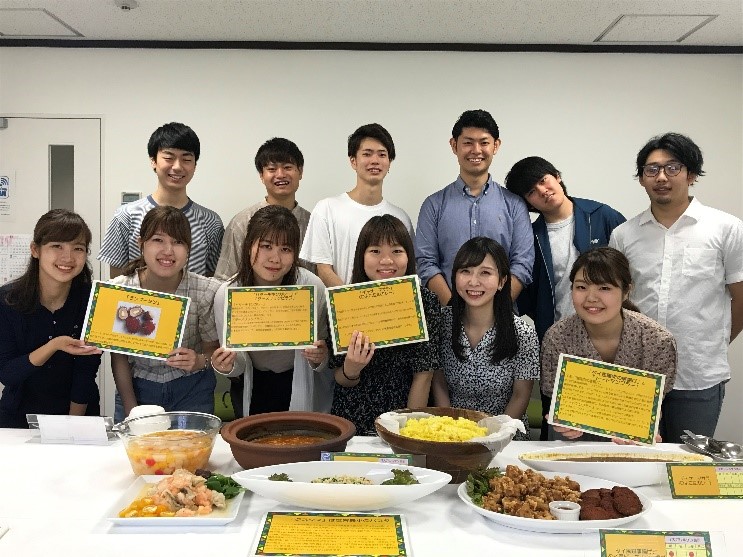
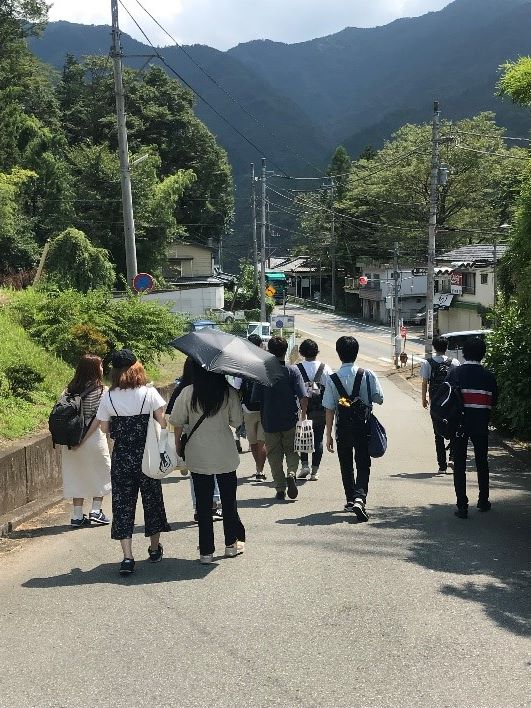
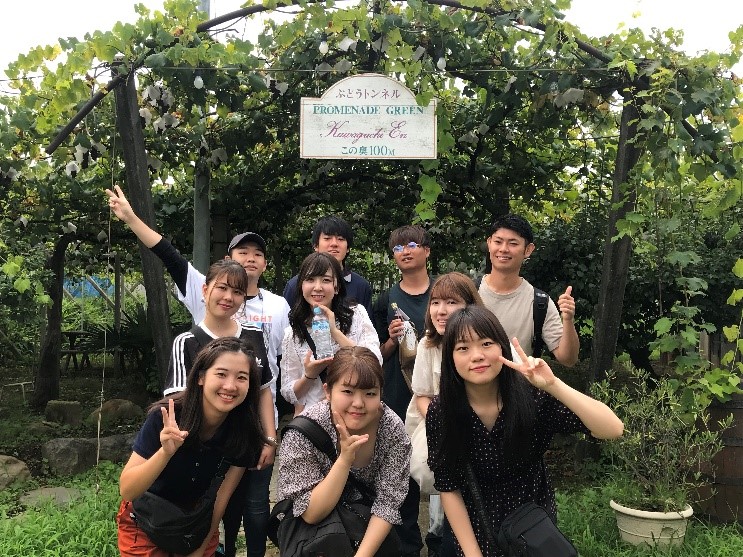
Report
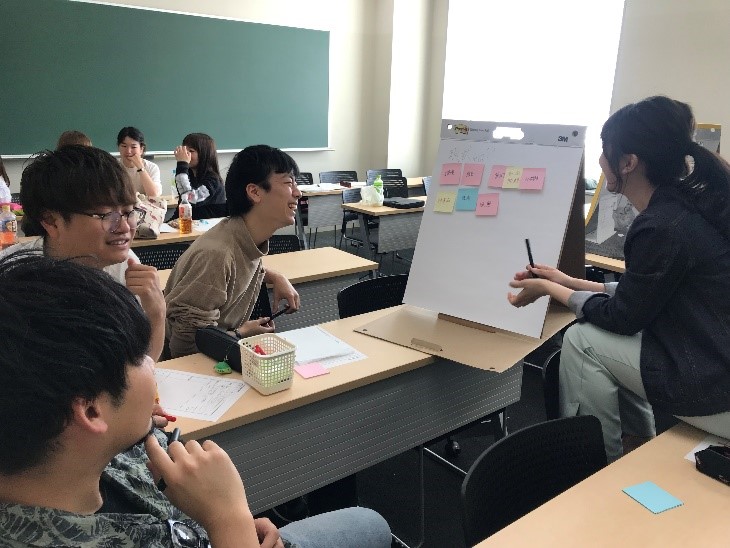
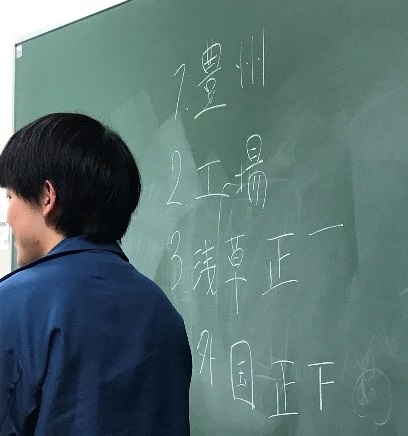
The results of group research are compiled and published in a seminar magazine.
Book Introduction
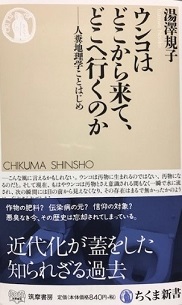
Noriko YUZAWA Noriko, "Where Does the Poop Come From and Where Does It Go?
YUZAWA Noriko, "7 Bags of Potato Chips: Talking about Eating, Postwar History of the Stomach," Shobunsha, 2019.
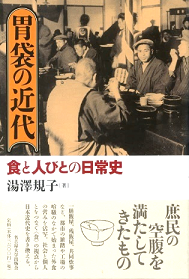
YUZAWA Noriko, "Gastric Modernity: A History of Food and People's Daily Lives," Nagoya University Press, 2018.
YUZAWA Noriko, Local History of Native Industries and Families: Small-scale Family Business and Yuki Tsumugi Production from a Life History Perspective, Kokin Shoin, 2009.